Converting a website into an app costs $3,000–8,000 as a PWA wrapper, $10,000–30,000 as a proper hybrid build reusing your web logic, and $25,000+ for a fresh native-feeling app. The real question is not the conversion cost but whether an app serves your users better than the website already does — because a wrapper around a mediocre mobile web experience is a mediocre app with an icon.
The three routes
Route 1: The PWA wrapper ($3,000–8,000, 2–4 weeks)
Your responsive website, installable: app icon, splash screen, offline page, push notifications where supported. Cheapest and fastest — and users can tell it is a website in a shell. Right when the goal is presence and push reach, not app-grade experience. The PWA guide covers the full pattern.
Route 2: The hybrid build ($10,000–30,000, 6–12 weeks)
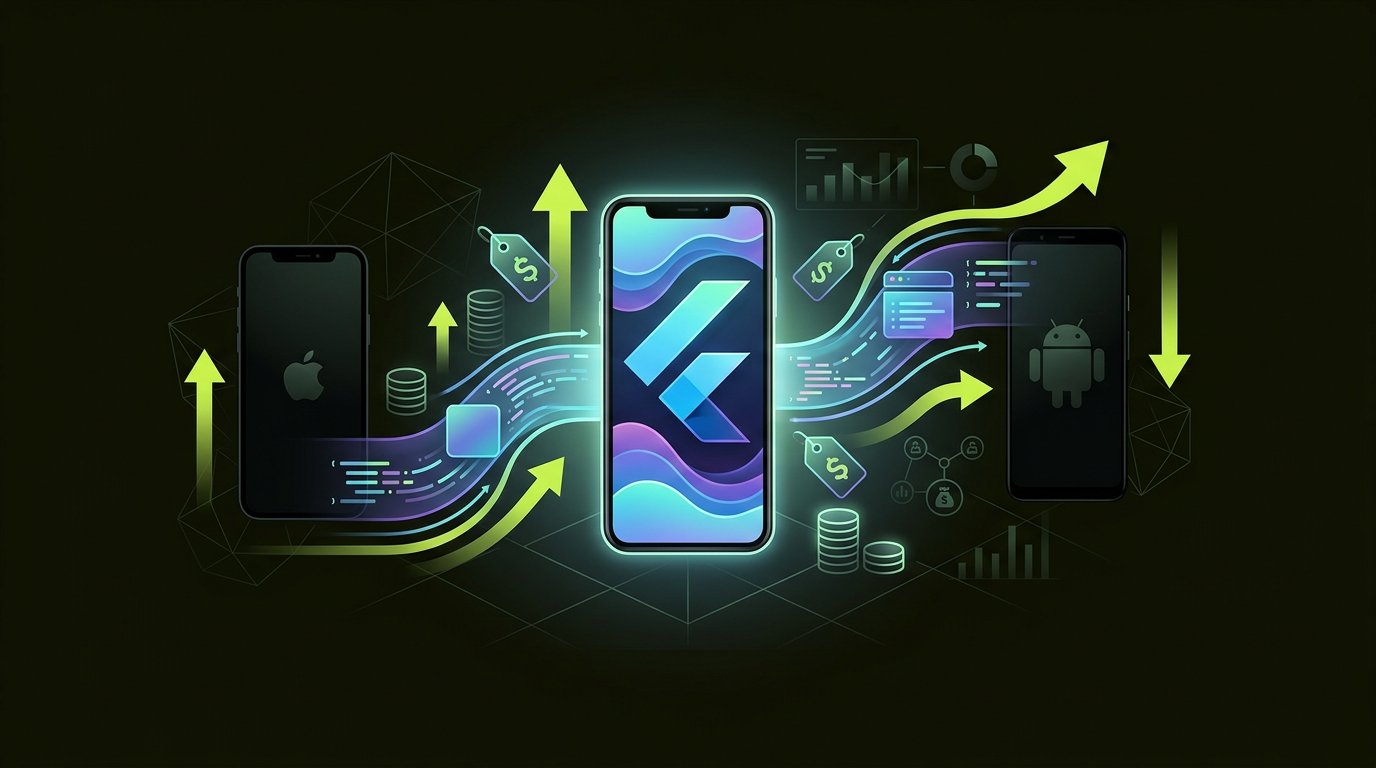
A proper cross-platform app (Flutter or React Native) that reuses your website's logic, APIs and design system while adding native navigation, gestures, and device capabilities. This is what 'conversion' means when done seriously — the honest middle for most businesses.
Route 3: The fresh app ($25,000+, 3–6 months)
When the mobile experience deserves to be its own product: native patterns, offline-first behaviour, device features central to the value. The app development cost guide covers the full anatomy.
When conversion makes sense
- Established web product with returning mobile users: the data says your users want an icon — see the decision logic in the ecommerce app cost guide
- Push notifications are the business case: re-engagement is the app's core job
- The web experience is already excellent: conversion packages quality; it does not create it
When it does not
- Mostly one-time visitors: bookmark behaviour means the app earns nothing the website does not
- The mobile site is weak: fix the experience first — the wrapper preserves every weakness at app cost
- Discovery-led products: search traffic belongs to the web; apps are for frequency
The honest diagnostic
Three numbers decide it: the share of mobile traffic that returns monthly (apps serve returning users), your notification-worthiness (content users genuinely want pushed), and the mobile web conversion rate (if it is poor, the app inherits it). Returning mobile users above 40%, content worth pushing, decent web conversion: convert. Below that: invest in the mobile site — the website cost guide prices that path.
The migration path that ages well
Stage the conversion: PWA first (presence and push, cheap), measure the install-and-return behaviour, then invest in the hybrid build if the data earns it. This sequencing costs little and lets user behaviour — not enthusiasm — make the call. Our mobile team runs all three routes and starts with the diagnostic; book a scoping call with your analytics and the route chooses itself.
Frequently asked questions.
How much does it cost to convert a website into an app?
PWA wrappers run $3,000–8,000 (installable site with icon, offline and push), serious hybrid builds $10,000–30,000 (native app reusing your web logic and APIs), and fresh apps $25,000+. The wrapper is presence; the hybrid is a real app; the fresh build is a new product.
Can I turn my website into an app for free?
Tools exist that wrap sites for minimal cost — and produce the app-store equivalent of a bookmark. They suit testing demand with an existing audience, not serving users: the wrapped experience is exactly your mobile site, with an icon.
Should I convert my website to an app?
Convert when returning mobile users exceed roughly 40% of traffic, you have content genuinely worth pushing, and mobile web conversion is healthy — apps serve frequency. One-time-visitor, discovery-led products belong on the web, where the traffic already is.
What is the difference between a PWA and a converted app?
A PWA is the website itself, installable from the browser with offline and push — no store required, no store presence either. A converted (hybrid) app is a real store-listed app built on your web logic with native navigation and device access — more cost, more capability.
Is a web view app a good idea?
Rarely, beyond narrow loyalty-card use cases: users can tell a browser in a shell, reviews say so, and stores increasingly scrutinise thin wrappers. The honest minimum is a PWA done properly; the honest conversion is the hybrid build.
Enjoyed this? Let's talk about applying it to your product.