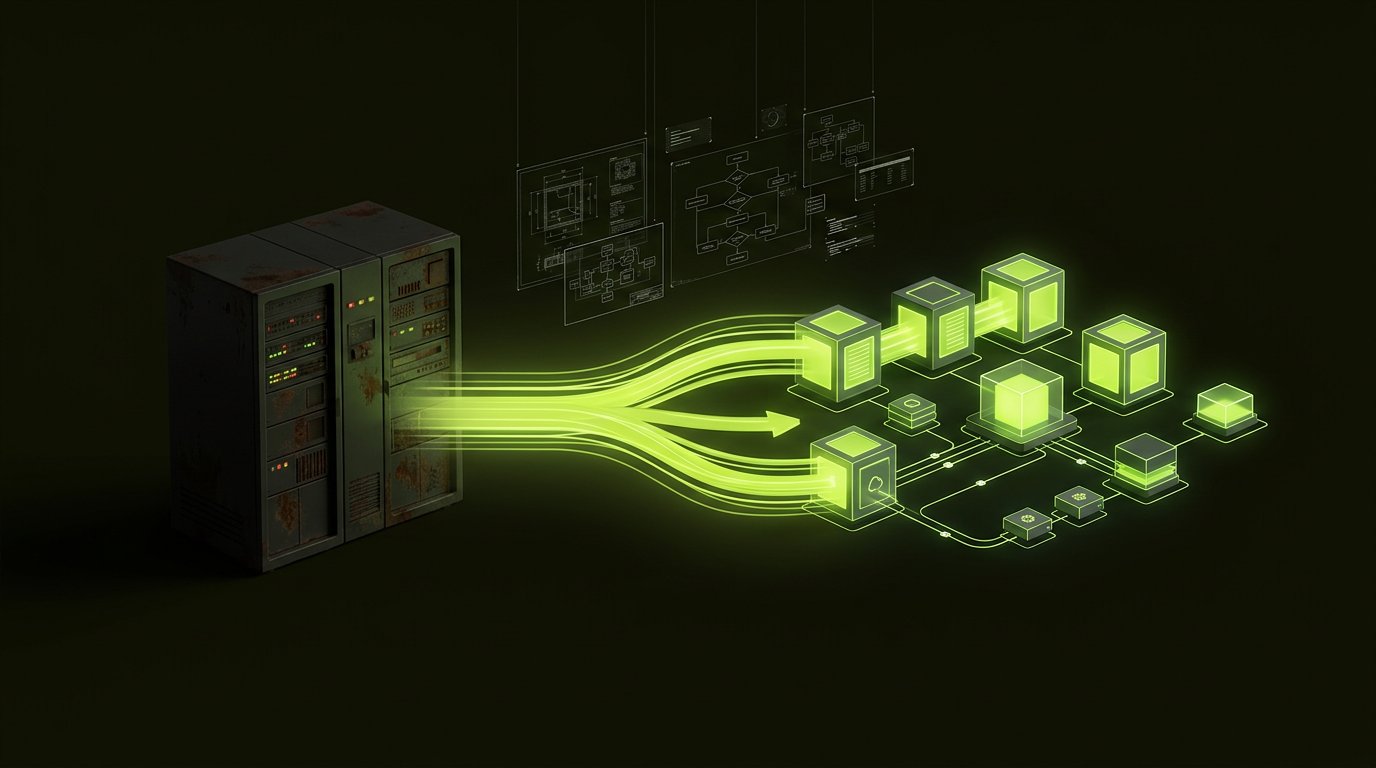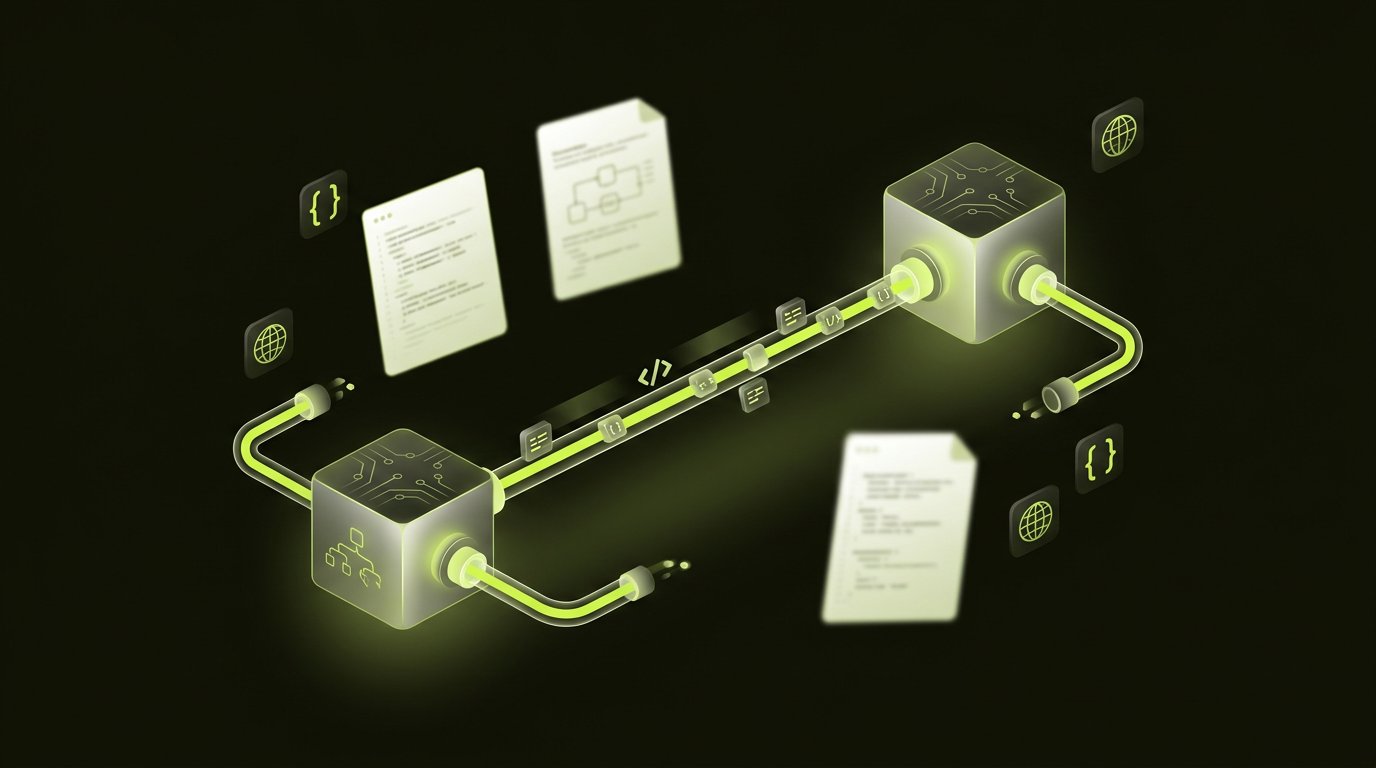
A discovery phase costs $5,000–15,000 (₹2–8 lakh), takes one to three weeks, and converts an idea into a screen-by-screen, estimate-by-estimate specification. It is the highest-ROI line in any software budget: every discovery dollar replaces multiples of mid-project redesign, because changes costing hours on paper cost sprints in code. Here is what it actually contains.
What happens in discovery
- Stakeholder alignment: goals, users and success metrics put in writing — the document everyone points to when opinions collide later
- User journeys: the core workflows walked end to end, including the failure paths nobody volunteers
- Screen specification: every screen sketched or wireframed with its states — loading, empty, error — not just the happy path
- Technical architecture: stack decisions, integrations mapped, data model drafted, risks named with mitigations
- Scope cuts: the features deferred to version two, agreed while deferring is still free
- The estimate: itemised, phase by phase, with the assumptions written down
What you receive
The deliverable is a specification document: journeys, wireframes, architecture, integration map, prioritised feature list, and an itemised estimate you can hand to any team — us or anyone else. That last property is the honesty test of a real discovery: a specification that only the originating vendor can quote from is a sales artefact, not a discovery.
What it costs
- Small projects (marketing sites, simple apps): ₹2–4 lakh ($3,000–6,000), 1–2 weeks
- Mid-complexity (business applications, SaaS MVPs): ₹4–8 lakh ($6,000–12,000), 2–3 weeks
- Complex platforms (multi-system, regulated, enterprise): ₹8–20 lakh ($12,000–30,000), 3–5 weeks
Ours starts at $12,000 — deliberately priced as serious work, because a discount discovery is a paid pitch deck. See our pricing for how the fee credits toward the build.
The ROI math
The arithmetic that convinces sceptics: a mid-project change — a workflow redesigned after development starts — costs 3–10x its discovery-phase price. A project of any complexity surfaces dozens of decisions; discovery resolves them at the cheap end of that curve. Industry data on failed projects says the same thing in aggregate: the majority of budget overruns trace to scope discovered late, not code written slowly. Discovery is where those overruns go to die.
When discovery is skippable (barely)
- Exact precedents: when the same team built the same thing three times, the specification already exists in their heads — insist on it being written anyway
- Fixed products: our ready products — CRM, ERP, HRMS — ship with scope predefined; discovery compresses to configuration workshops
- Pure experiments: a two-week throwaway prototype answers a question cheaper than discovery documents it — know which you are doing
Everything else — every custom build, every integration project, every 'simple app' that grows features — wants a real discovery.
The red flag in reverse
A vendor quoting a firm fixed price for an undescribed project has priced their risk buffer, not your project — the outsourcing guide covers this pattern. Discovery-first vendors quote from evidence; the difference shows up in every change request thereafter. The full cost picture it feeds sits in our custom software cost guide.
Starting one
Bring the problem, the users and any constraints to a first call — the discovery itself is structured from there, and book a scoping call is where ours starts. The honest promise: at the end you will know what you are building, what it costs, and what you consciously decided not to build yet. That knowledge is the cheapest thing in software.
Frequently asked questions.
What is a discovery phase in software development?
One to three weeks of structured scoping that converts an idea into a buildable specification: aligned goals, user journeys, screen-level wireframes, technical architecture, prioritised scope and an itemised estimate. It resolves on paper the decisions that cost sprints to change in code.
How much does a discovery phase cost?
₹2–4 lakh for small projects, ₹4–8 lakh for mid-complexity applications, and ₹8–20 lakh for complex platforms — one to five weeks depending on scope. The fee typically credits toward the build if you proceed with the same team.
Is discovery worth it for small projects?
Yes — the ROI math scales down with projects: a ₹3 lakh discovery preventing even one mid-project workflow redesign on a ₹25 lakh build has paid for itself. Only exact precedents and pure throwaway experiments justify skipping it.
What does a discovery phase deliver?
A specification document: stakeholder-aligned goals, user journeys, wireframes with all states, technical architecture and integration map, prioritised feature list with explicit version-two cuts, and an itemised estimate any team can quote from. That portability is the honesty test.
Why do vendors quote fixed prices without discovery?
Because the quote prices their risk buffer, not your project — ambiguity is charged either way. Discovery-first vendors quote from evidence, which is why their change requests stay sane after the contract starts.
Enjoyed this? Let's talk about applying it to your product.