Legacy modernization costs $50,000–150,000 for rehosting, $100,000–400,000 for replatforming, and $250,000–1M+ for full rebuilds — ₹40 lakh–8 crore in India-based terms. The decision is not whether to modernize but which of four strategies fits: most failed programs chose rebuild when rehost would have carried them five more years, or rehosted what deserved a rebuild.
The modernization spectrum
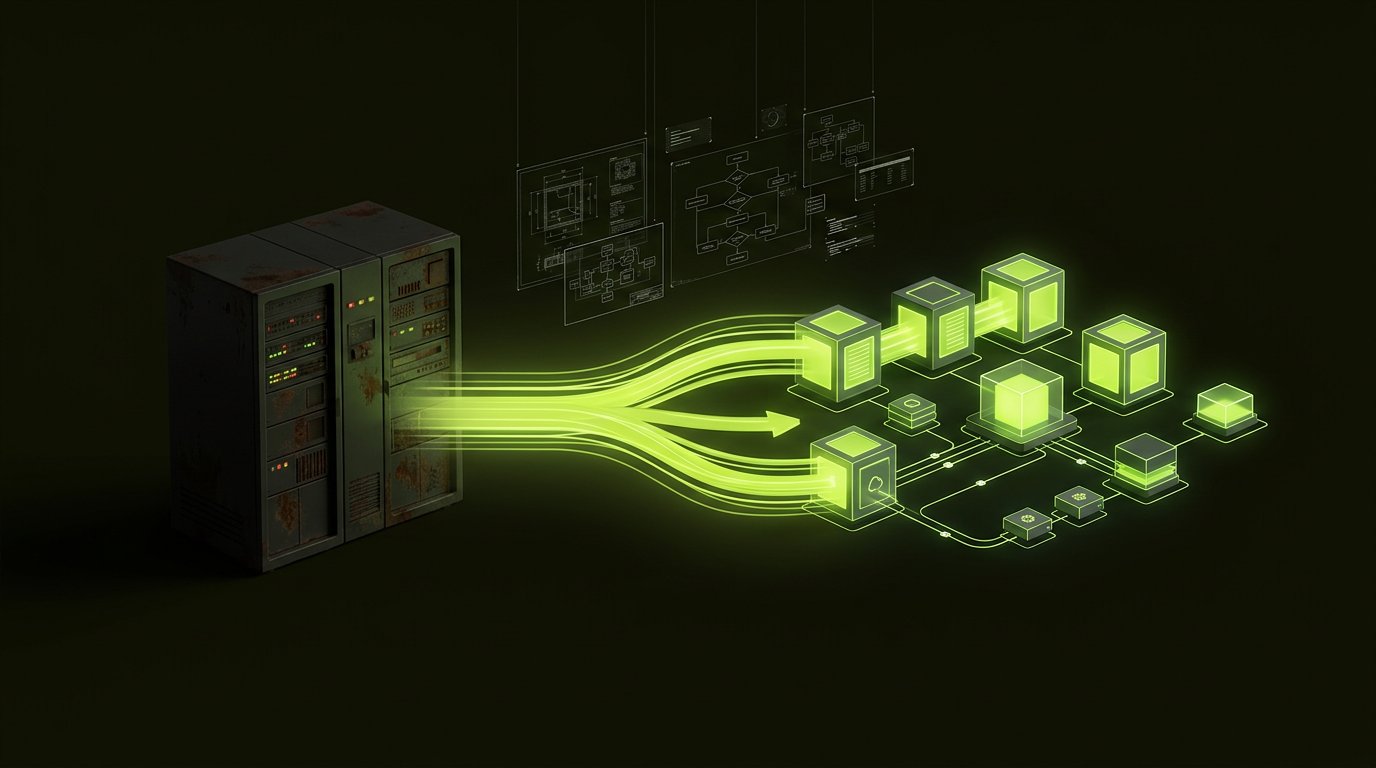
- Rehost (lift-and-shift): the system moves to cloud infrastructure essentially unchanged. Cheapest ($50k–150k), fastest (weeks to months), zero functional change — buys infrastructure elasticity, fixes nothing structural. Right when the business case is hardware exit or datacenter closure.
- Replatform: move and improve selectively — managed databases, containerisation, CI/CD attached — without changing the core architecture. $100k–400k. Right when the system works but operations hurt.
- Refactor: restructure the codebase in place — decompose the monolith, pay down the debt where change is frequent. $150k–500k. Right when the business logic is sound but change velocity is strangling delivery.
- Rebuild: new system, modern architecture, data migrated, old system retired. $250k–1M+. Right when the system caps the business model itself — see the custom software cost guide for the build economics.
Choosing: the risk-value matrix
Two questions locate the answer: how much business value is trapped (revenue blocked, costs inflated, risk carried) and how healthy is the codebase (testable, documented, known by anyone?). High trapped value plus healthy code → refactor. High value plus rotten code → rebuild. Low value either way → rehost or retire. The expensive mistake is emotional: rebuilding because the code offends, or rehosting because change frightens — both decisions taken without the matrix.
The migration playbook
- Discover what the system ACTUALLY does — undocumented behaviour discovered in production is the number-one failure cause; months of code archaeology before strategy is the honest sequence (the discovery phase guide applies doubled)
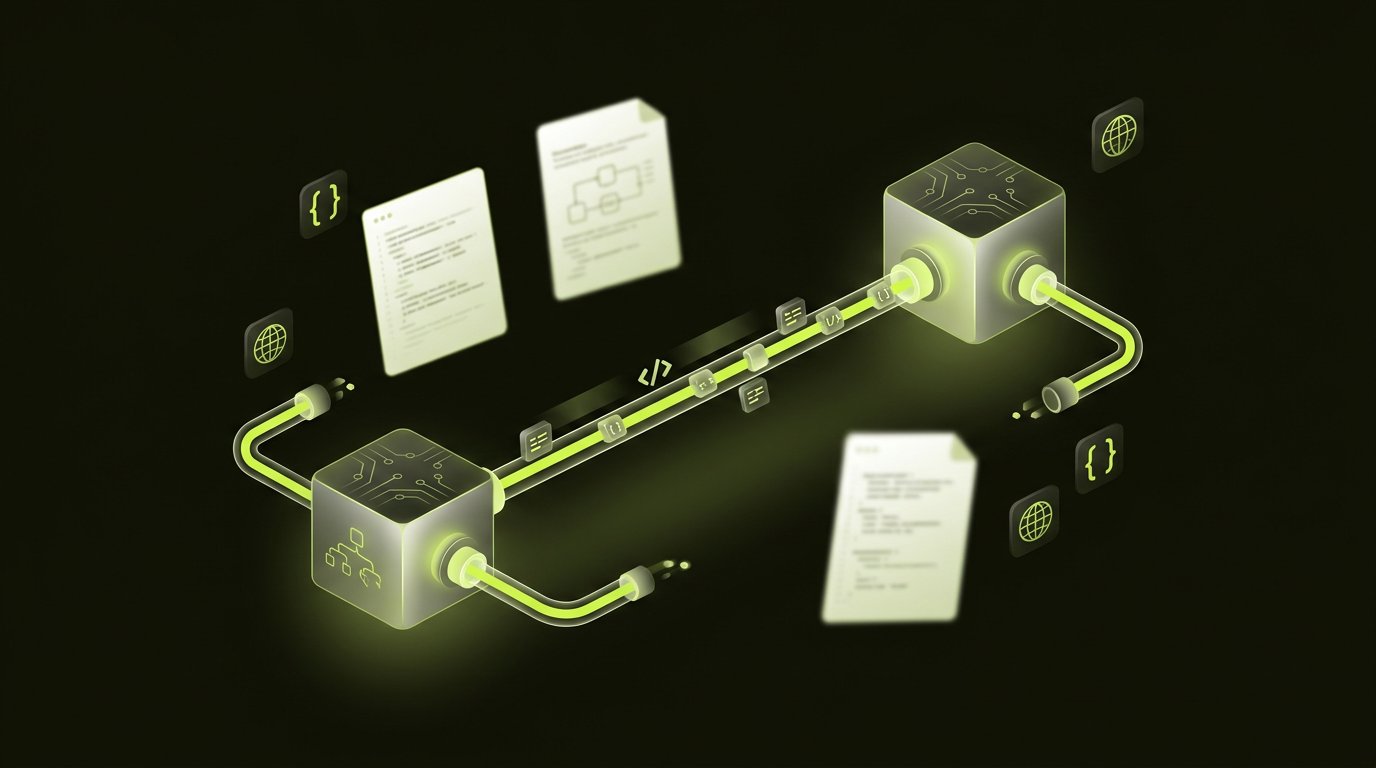
- Strangler-fig over big-bang: replace in slices behind stable interfaces — each slice shippable, reversible, and learning from the last. Big-bang cutovers fail publicly and irreversibly.
- Data first, features second: data migration validated in parallel runs — old and new systems producing identical outputs on live data — before any feature work claims victory
- Keep the old system running until the new one earns retirement — parallel-run periods are insurance, not waste
The risks that actually bite
- Knowledge attrition: the people who understand the legacy system leave first — capture their knowledge before the program, not in exit interviews
- Scope gravity: refactors quietly becoming rebuilds; every modernization program needs a scope governor
- Data integrity: migrations that pass tests and corrupt edge cases; parallel-run validation is non-negotiable
- The second system illusion: rebuilds that inherit every legacy flaw because requirements were copied, not reconsidered
India pricing and why it fits
India-based teams deliver all four strategies at 40–60% below Western rates — and modernization is unusually India-friendly: the work is deep engineering with patient documentation, exactly the profile Indian senior teams have industrialised over three decades of maintaining enterprise systems. Our custom software development practice runs strangler-fig migrations with parallel-run validation; the outsource hub covers the engagement models. Book a call with the system you are carrying — the first conversation is about which strategy, not which contract.
Frequently asked questions.
How much does legacy system modernization cost?
Rehosting runs $50,000–150,000, replatforming $100,000–400,000, refactoring $150,000–500,000, and full rebuilds $250,000–1M+. India-based teams deliver all four strategies 40–60% below Western rates.
What is the strangler fig pattern?
Replacing a legacy system in slices: new components take over behind stable interfaces piece by piece, each slice shippable and reversible, until the old system has nothing left to do. It replaces big-bang cutovers, which fail publicly and irreversibly.
Should I rebuild or refactor my legacy system?
Refactor when the business logic is sound but change velocity is slow; rebuild when the system caps the business model itself. The matrix is trapped business value versus codebase health — and copying old requirements into a rebuild is the classic second-system illusion.
Why do legacy migration projects fail?
Undocumented behaviour discovered in production (the number-one cause), knowledge attrition of the people who understood the system, data corruption in edge cases that tests missed, and quiet scope drift from refactor into rebuild. Discovery, parallel-run validation and scope governance are the countermeasures.
How long does legacy modernization take?
Rehosting runs weeks to months, replatforming 3–9 months, refactoring 6–18 months, and rebuilds 12–36 months depending on scope. Strangler-fig approaches deliver value continuously rather than at a single launch date.
Enjoyed this? Let's talk about applying it to your product.