An on-demand app costs ₹20–45 lakh ($25,000–60,000) for a focused single-service platform and ₹45–80 lakh+ ($60,000–100,000+) for multi-service platforms — built on three apps, not one: customer, provider, and admin. India-based teams deliver at 40–60% below Western rates. The number that separates the tiers is not features — it is the operational depth: dispatch logic, realtime tracking, and the settlements engine nobody demos.
The three-sided build
Every on-demand platform is three products:
- Customer app (₹8–18 lakh of scope): catalogue or service listing, booking or ordering, realtime tracking, payments, ratings, support
- Provider app (₹6–15 lakh): job acceptance, navigation, status updates, earnings dashboard, availability management
- Admin platform (₹8–20 lakh): dispatch and routing, order management, provider onboarding and verification, pricing rules, settlements, analytics
The customer app is the demo; the admin platform is the business. Budgets that skip the third side launch a marketplace they cannot operate.
Cost by feature cluster
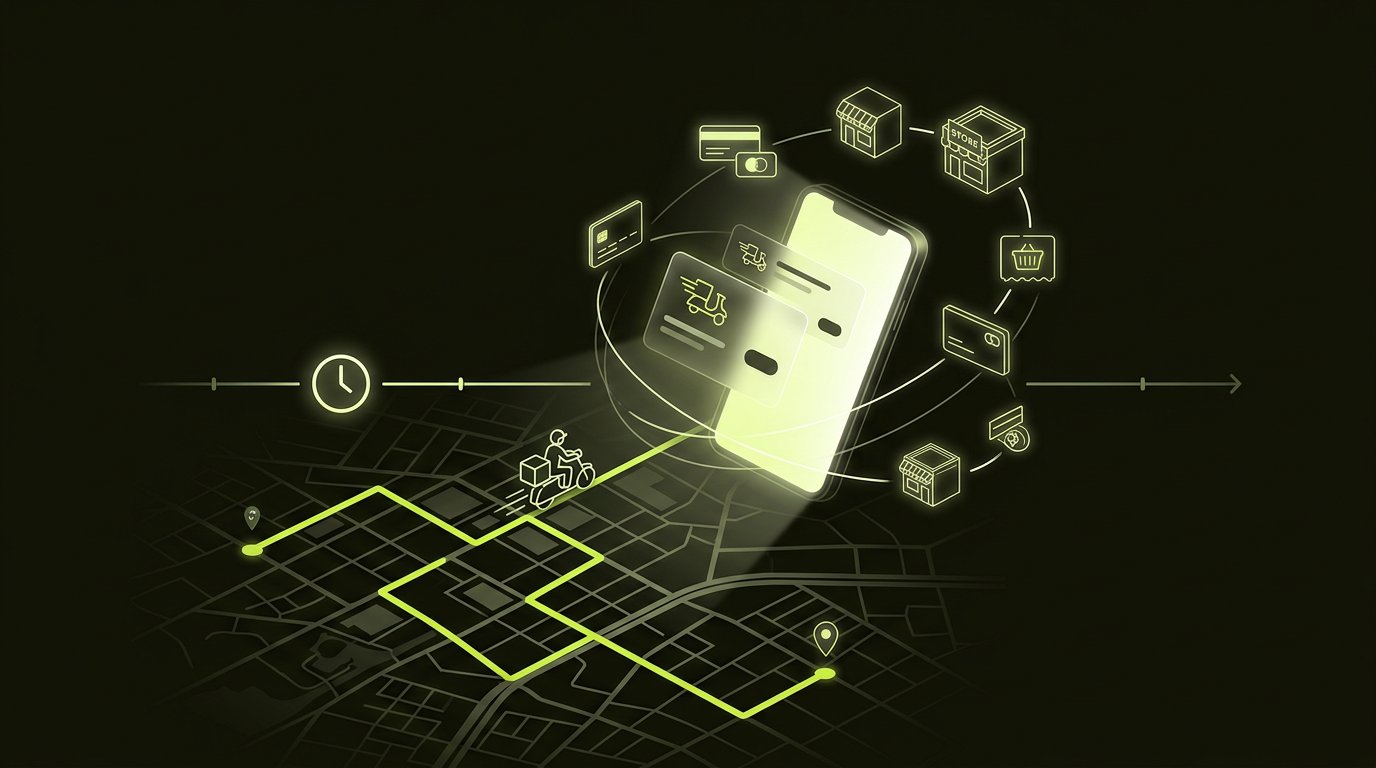
- Realtime dispatch and tracking: ₹6–15 lakh — matching logic, live maps, status events; the technical heart
- Payments and the settlements engine: ₹5–12 lakh — customer payments are the easy half; provider payouts, commissions, refunds and the reconciliation nobody demos are the hard half
- Onboarding and verification: ₹3–8 lakh — provider KYC, document checks, background processes
- Notifications and communication: ₹2–5 lakh — push, SMS, in-app chat or calling
- Analytics and operations dashboards: ₹3–8 lakh — the screens your ops team lives in
What separates ₹20 lakh from ₹80 lakh
- Single service versus multi-service: one vertical (grocery only) versus a platform with categories, zones and differing workflows
- Dispatch sophistication: manual/first-available matching versus zone-based auto-dispatch with batching and surge logic
- Settlements complexity: daily flat payouts versus commission structures, incentives, and escrowed flows
- Scale engineering: the architecture that handles 500 orders a day differs from the one that handles 50,000 — realtime infrastructure costs scale with it
- Operational tooling: support workflows, refunds, dispute management — the unglamorous buildout that operations teams feel daily
Timeline honesty
A focused single-service MVP: 4–6 months. A multi-service platform with sophisticated dispatch: 8–14 months. The sequencing that works: single city, single service, manual dispatch — prove unit economics, then automate. The pattern mirrors MVP discipline: prove the loop before building the machine.
India: the natural home of on-demand
India runs the world's densest on-demand economy — and the engineering ecosystem reflects it: teams with lived dispatch-platform experience at 40–60% below Western rates, plus integration-ready local infrastructure (Razorpay payments, Shiprocket and Delhivery logistics, SMS and WhatsApp APIs). Our mobile app development team builds exactly these platforms; the related ecommerce app cost guide covers the catalogue-commerce variant.
Getting a real number
Bring your service model, target city count and dispatch ambitions — the quote follows the operational depth, not the screen list. See our pricing for engagement structure, or book a scoping call with the operations you actually intend to run on day one.
Frequently asked questions.
How much does an on-demand app cost?
Focused single-service platforms run ₹20–45 lakh ($25,000–60,000) covering all three apps — customer, provider and admin. Multi-service platforms with sophisticated dispatch and settlements run ₹45–80 lakh+. India-based teams deliver 40–60% below Western rates.
Why are on-demand apps more expensive than normal apps?
They are three products, not one: customer app, provider app, and the admin platform that operates the marketplace — dispatch logic, realtime tracking, provider onboarding, settlements and reconciliation. The customer app is the demo; the operations platform is the business.
How long does an on-demand app take to build?
Single-service MVPs take 4–6 months; multi-service platforms with zone-based auto-dispatch 8–14 months. The disciplined path: launch one city, one service, manual dispatch — prove unit economics before automating.
What is the most underestimated cost in on-demand apps?
The settlements engine: provider payouts, commissions, refunds and reconciliation. Customer payments are the easy half. Operational tooling — support workflows and dispute management — is the second silent budget line.
Should I start with an MVP on-demand app?
Yes — single service, single city, manual dispatch, real users: it proves unit economics (order density, fulfilment cost, retention) before committing to the automation those economics justify. Skipping the MVP to build the full machine first is the category's most expensive mistake.
Enjoyed this? Let's talk about applying it to your product.