Outsourcing UI/UX design to India gives you senior designers at $20–60/hour against $70–150 onshore — a 40–60% saving — and design is unusually remote-friendly: the work lives in Figma, reviews are asynchronous by nature, and outcomes are judged in files, not meetings. India's design industry has matured from production shops to genuine product-design practices. Here is how to run it well.
What the saving looks like
- Senior product designer (dedicated): $2,500–5,000/month versus $8,000–15,000 onshore
- UX audit: $1,000–4,000 versus $3,000–12,000 — the UX audit checklist shows what the work contains
- Full website design: $3,000–12,000 versus $8,000–30,000 — the design cost guide has the tier breakdown
- Design systems: $8,000–30,000 versus $20,000–75,000
The quality note that keeps it honest: the top Indian designers compete globally — the variance between the top decile and the median is the widest in software. Portfolio verification decides which decile you hire.
What remote design actually looks like
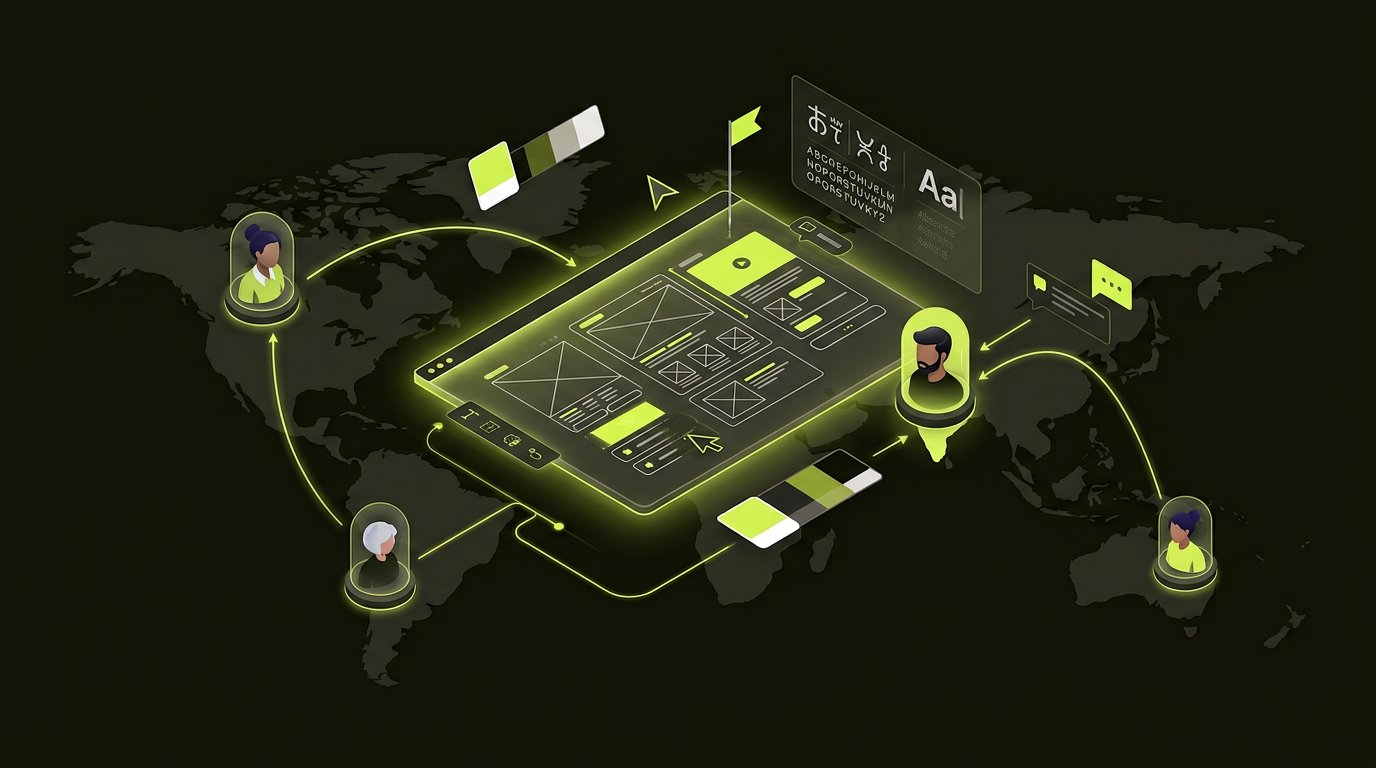
The modern workflow is inherently distributed: Figma files as the shared source of truth, async comments resolving details, one scheduled review call per week for decisions that need conversation, and handoff packages (specs, states, components) the engineers consume directly. Distance adds almost nothing to this workflow — most onshore teams work the same way since 2020.
How to vet remote designers
- Read their Figma or case studies in depth — process, not just final shots: the artefacts between brief and pixels predict how they will work with you
- Check interaction design, not static screens — prototypes, states, edge cases; production design lives in the states nobody screenshots
- Run a paid design exercise — one screen, your actual problem, a fair fee; two hours of real collaboration beats ten interviews
- Test the written communication — async design lives in written rationale; a designer who cannot explain decisions in text will frustrate the workflow
- Verify with one live product — something shipped and running, not concepts
The engagement models
- Fixed-scope projects: audits, website design, feature design — scoped after a discovery conversation
- Dedicated designer (monthly): $2,500–5,000 — embedded in your team, your rituals, your product's context
- Design retainers: defined output buckets — the model our design services use for ongoing relationships
For most growing products: a dedicated senior Indian designer plus your product lead beats an onshore agency at the same total cost — you get senior hours daily instead of occasionally.
When local design still wins
- Deep ethnographic research: designers in the room with your users, in your market — some discovery work resists distance
- Regulated or culturally-bound products: fintech for a specific culture, government, healthcare interfaces with localised nuance
- Founder-led brand work: vision sessions have friction at distance that workshops in person do not
Everything else — product UI, design systems, web design, audits — travels perfectly.
The honest workflow
What makes outsourced design succeed is the same thing that makes onshore design succeed: a written brief, decisions documented, feedback consolidated rather than drip-fed, and design handoff treated as engineering input. The outsource to India hub covers the contract and IP playbook; for design-specific economics, book a consultation with your product context.
Frequently asked questions.
How much does it cost to outsource UI/UX design to India?
Senior designers bill $20–60/hour versus $70–150 onshore. Dedicated monthly designers run $2,500–5,000, full website designs $3,000–12,000, and design systems $8,000–30,000 — 40–60% below Western rates for equivalent seniority.
Is remote UI/UX design effective?
Yes — modern design workflows are inherently distributed: Figma as the source of truth, asynchronous review comments, one weekly decision call, and structured handoff packages. Distance adds almost nothing; most onshore teams already work this way.
How do I vet Indian designers?
Read their process artefacts between brief and final output (not just screenshots), check prototypes and interaction states, run a paid design exercise on your actual problem, test written communication, and verify at least one shipped live product.
When should design stay onshore?
Deep ethnographic user research in your local market, culturally-bound or regulated products, and founder-level brand vision sessions. Product UI, design systems, web design and audits travel perfectly.
Dedicated designer or design agency?
For growing products, a dedicated senior Indian designer embedded with your team typically beats an onshore agency at equal total cost — senior hours daily instead of occasional, with accumulating product context. Agencies suit defined projects and fresh perspectives.
Enjoyed this? Let's talk about applying it to your product.