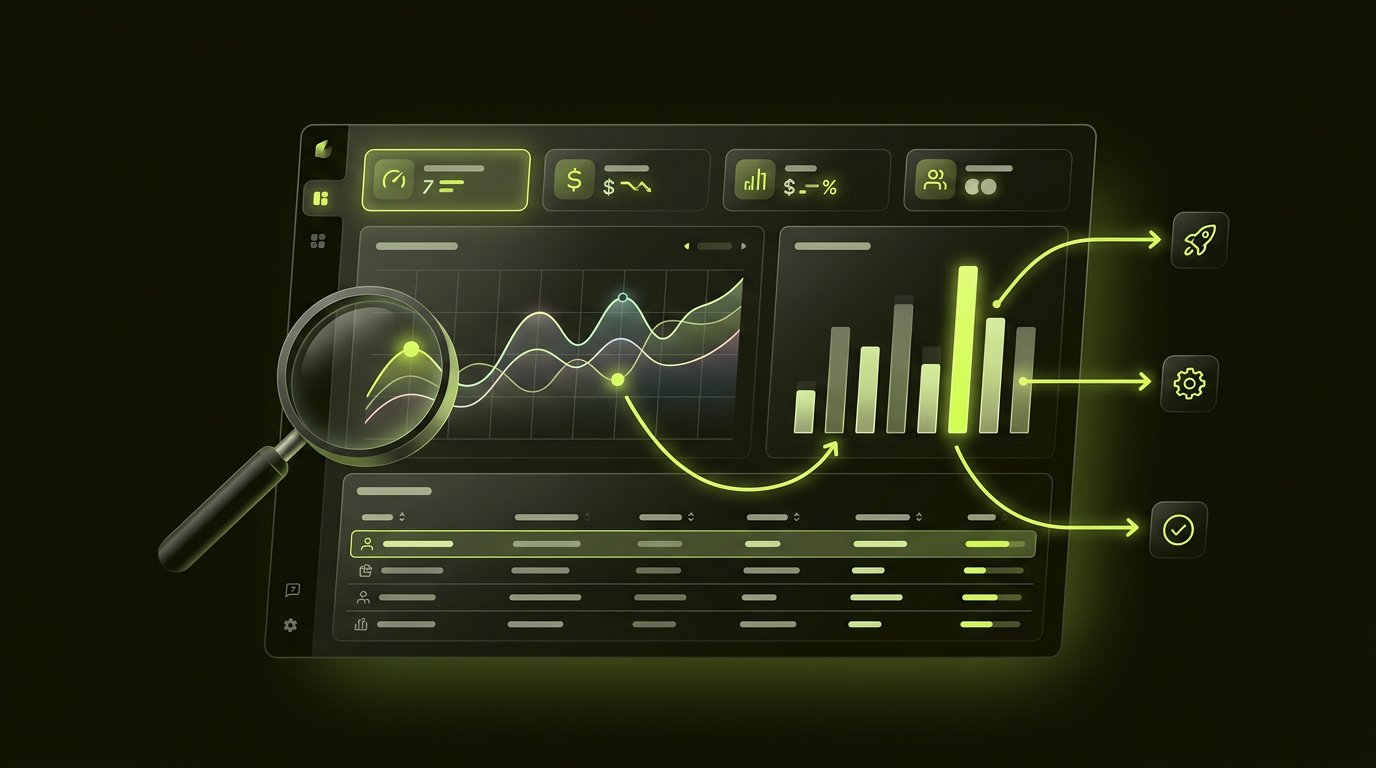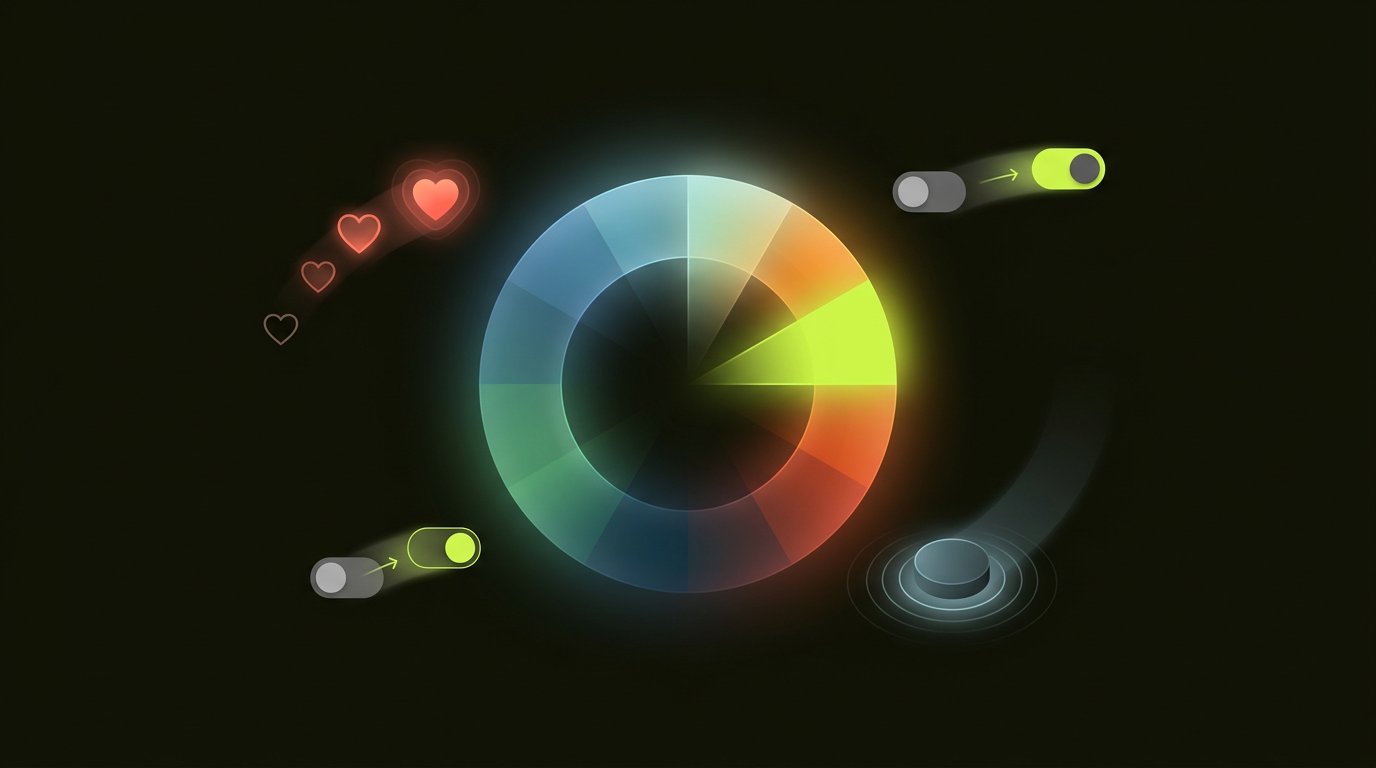
UX is how it works; UI is how it looks. UX decides the checkout flow has three steps and explains why; UI decides those three steps are beautiful, on-brand and legible. The coffee-shop analogy that holds: UX is the floor plan, service flow and menu logic; UI is the lighting, typography and chair design. One is architecture, the other is interior design — both fail without the other.
The definitions, precisely
- User Experience (UX): the totality of how a product works for its users — research, information architecture, flows, usability. UX answers: can users accomplish their goals, efficiently and without confusion? Its tools are research, wireframes, journey maps and testing.
- User Interface (UI): the visual layer users interact with — layout, colour, typography, components, states. UI answers: is the interface clear, attractive and consistent? Its tools are visual design systems, mockups and interaction polish.
The relationship: UI is a subset of the experience — you cannot have good UX with bad UI, but you can have beautiful UI on broken UX (a gorgeous app nobody can navigate), which is the failure mode of design-first thinking.
The roles compared
- UX designers research users, map journeys, architect information, wireframe flows, run usability tests; their deliverables are research findings, journey maps, wireframes
- UI designers design the visual language, component libraries, states and screens; their deliverables are mockups, style guides, design systems
- Product designers do both — the convergence most teams now hire for; see the wireframes versus mockups guide for how the deliverables differ
Salary and market reality
In India: UX designers average ₹6–18 lakh per year (seniors ₹18–35 lakh); UI designers ₹4.5–14 lakh (seniors ₹14–25 lakh). Globally: $70–120k and $60–100k respectively. The convergence in hiring: product designers who span both command the premium — the design cost guide covers the engagement economics.
Why the distinction matters for buyers
- Hiring: a beautiful portfolio without research artefacts signals UI-only; asking candidates to walk the reasoning behind a flow reveals which discipline actually anchors them
- Scoping projects: UX work (research, architecture, testing) and UI work (visual design) are separate lines in honest quotes; conflating them produces quotes that skip the thinking
- Diagnosing problems: falling conversion is a UX question; brand inconsistency is a UI question — prescribing visual polish for flow problems wastes money on the wrong layer, and vice versa. The UX audit checklist separates the layers diagnostically
How they work together, concretely
The checkout redesign: UX researches where users abandon (the data says address entry), restructures the flow (autocomplete, one column, progress), and tests it. UI designs the screens — the fields, states, typography — and the result converts. Neither half ships alone; the sequence matters (flow before polish), but the fusion is the product.
The takeaway
Use the distinction as a diagnostic, not a border war: when something underperforms, ask which layer fails before prescribing fixes. Our design services span both disciplines as one practice — because that is how products actually ship. Book a consultation with the problem, and the layer question resolves on evidence.
Frequently asked questions.
What is the difference between UI and UX?
UX is how a product works — research, flows, architecture, usability. UI is how it looks — visual design, typography, components, states. UI is a subset of the experience: beautiful UI on broken UX is the classic failure, and good UX with ugly UI underperforms too.
Which pays more: UI or UX designers?
UX generally commands more: India averages ₹6–18 lakh for UX versus ₹4.5–14 lakh for UI, with senior UX at ₹18–35 lakh. The real premium goes to product designers spanning both — the convergence most teams now hire for.
Can a person be both a UI and UX designer?
Yes — the product designer role is exactly that convergence, and it is how most modern teams hire. The risk is asymmetry: everyone has stronger and weaker halves; portfolios without research artefacts signal UI-leaning, however labelled.
Which should I hire first: UI or UX designer?
For new products, UX first — flows and architecture before polish. For mature products with proven flows and weak visual identity, UI. For most teams, a product designer spanning both, scoped against the actual bottleneck.
Is UX more important than UI?
Neither layer rescues the other: broken UX cannot be beautified away, and great UX with amateur UI loses trust at first glance. The sequence matters (flow before polish), and the distinction matters diagnostically — match the fix to the failing layer.
Enjoyed this? Let's talk about applying it to your product.